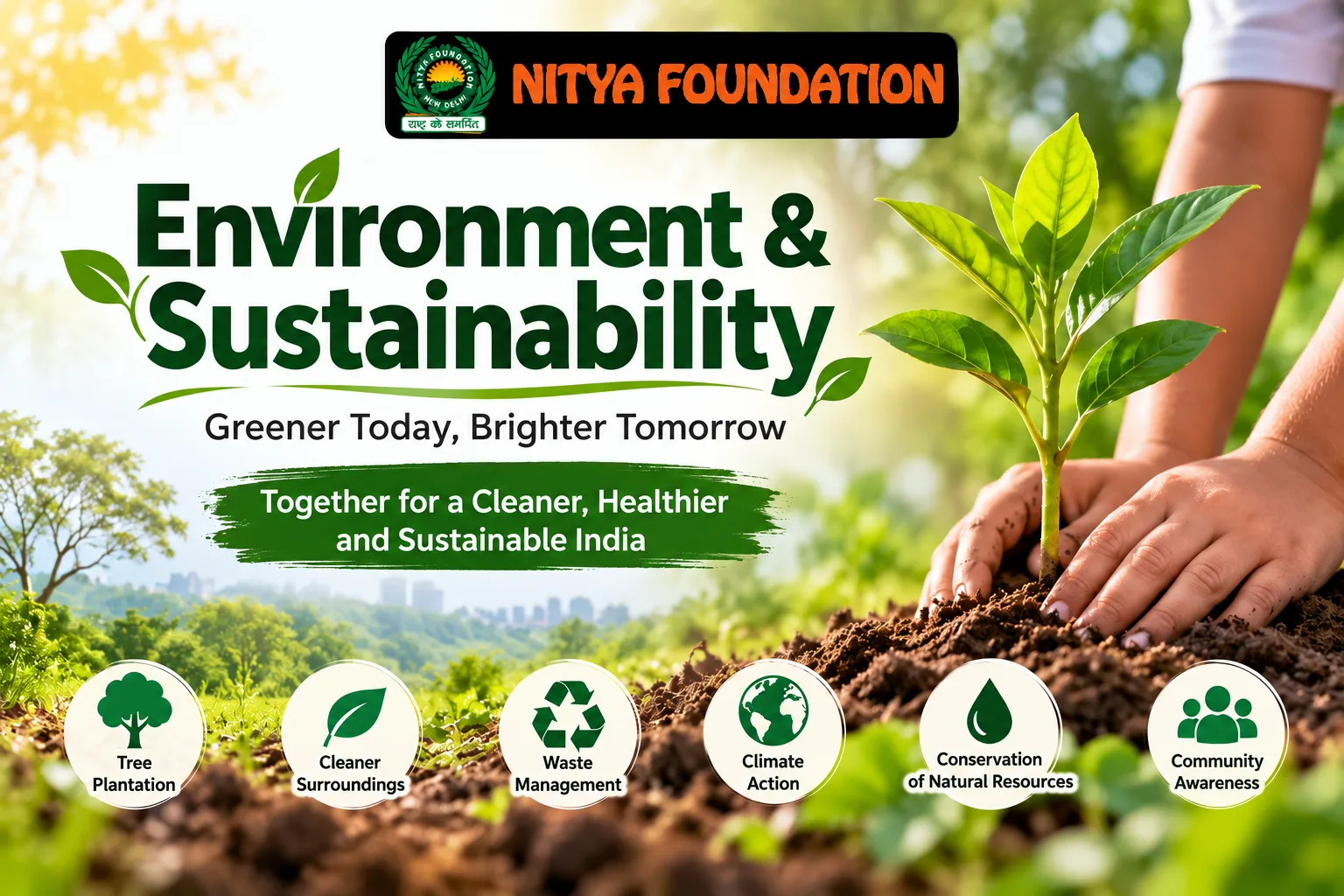
Tree Plantation and Environmental Conservation: Building a Greener and Healthier Future
Environmental protection has become one of the most important responsibilities of communities, organizations, and individuals. Rapid urbanization, deforestation, pollution, climate change, and loss of natural habitats are affecting ecosystems and human well-being. Sustainable environmental action can help create healthier communities and protect natural resources for future generations.
From Tree Plantation and environmental education to biodiversity protection and community campaigns, every effort can contribute to a greener future. NGOs, schools, businesses, government institutions, and local communities can work together to promote environmental sustainability and encourage responsible environmental practices.
The Importance of Tree Plantation
Tree Plantation is one of the most practical ways to improve local environments. Trees absorb carbon dioxide, release oxygen, reduce air pollution, provide shade, support wildlife, and help regulate local temperatures. Urban trees can also improve the appearance of neighborhoods and create healthier public spaces.
Tree plantation drives can be organized in schools, parks, residential areas, villages, roadsides, institutional campuses, and degraded land. However, successful plantation should involve more than simply planting saplings. Selecting suitable native species, preparing the soil, providing water, protecting young plants, and monitoring their growth are important parts of a sustainable plantation programme.
Community participation can make tree plantation activities more effective. Students, volunteers, residents, corporate employees, and local organizations can participate in planting and maintaining trees. Such activities also create opportunities to educate people about climate change, forest conservation, and the importance of green spaces.
Environment Awareness Programme
An Environment Awareness Programme helps people understand environmental challenges and encourages them to adopt sustainable habits. Awareness programmes can focus on topics such as climate change, waste management, water conservation, air pollution, plastic pollution, biodiversity, and energy conservation.
Schools and colleges can organize environmental workshops, poster competitions, plantation drives, cleanliness campaigns, nature walks, and educational sessions. Communities can conduct awareness activities related to waste segregation, recycling, rainwater harvesting, and reducing single-use plastic.
An effective Environment Awareness Programme should connect environmental knowledge with practical action. When people understand how everyday activities affect nature, they are more likely to adopt responsible practices such as saving water, reducing waste, recycling materials, using energy efficiently, and protecting trees.
Biodiversity Conservation and Wildlife Protection
Biodiversity Conservation is essential for maintaining healthy ecosystems. Biodiversity includes plants, animals, insects, birds, microorganisms, and the ecosystems in which they live. Every species has a role in maintaining ecological balance.
Habitat destruction, pollution, deforestation, climate change, invasive species, and unsustainable human activities can threaten biodiversity. Conservation efforts can include protecting natural habitats, planting native trees, restoring degraded ecosystems, creating green spaces, and raising awareness about local wildlife.
Urban biodiversity can also be supported through gardens, native plants, green corridors, wetlands, and tree-covered areas. Birds, butterflies, bees, and other pollinators benefit from suitable habitats and diverse vegetation.
Biodiversity Conservation should therefore be considered an important part of environmental sustainability rather than a separate activity. Protecting ecosystems can also support agriculture, water resources, soil health, and human livelihoods.
Environmental Research for Sustainable Solutions
Environmental Research helps organizations and communities understand environmental problems and identify practical solutions. Research can cover areas such as air quality, water pollution, soil degradation, waste management, climate change, biodiversity, renewable energy, and ecosystem restoration.
Local environmental research can be particularly useful because environmental conditions differ from one region to another. For example, a water conservation strategy suitable for a rural area may differ from one required in a densely populated city.
Environmental Research can also support evidence-based environmental programmes. Data collected through surveys, field studies, community assessments, and ecological monitoring can help identify priority areas and measure the impact of conservation activities.
Research findings can be shared through workshops, reports, educational materials, and community programmes so that scientific knowledge becomes useful to the wider public.
Environmental Campaigns and Community Participation
Environmental Campaigns can bring people together around important environmental issues. Campaigns may focus on tree plantation, plastic-free communities, cleanliness, water conservation, climate awareness, waste reduction, or wildlife protection.
Social media has made it easier for environmental organizations to reach larger audiences. Educational posts, videos, infographics, community stories, and campaign updates can encourage people to participate in environmental activities.
Local campaigns can also create stronger community engagement. A neighborhood tree plantation programme, for example, can involve residents in selecting plantation locations, planting saplings, watering trees, and monitoring their growth.
Corporate organizations can support environmental campaigns through Corporate Social Responsibility (CSR) initiatives. CSR programmes may include tree plantation, school environmental education, water conservation, waste management, and ecosystem restoration projects.
Promoting Sustainable Development
Environmental conservation is closely connected with sustainable development. A healthy environment provides clean air, water, fertile soil, natural resources, and habitats that communities depend upon.
Sustainable development requires a balance between economic development, social well-being, and environmental protection. Activities such as renewable energy adoption, sustainable waste management, water conservation, green infrastructure, and responsible consumption can help reduce pressure on natural resources.
Individuals can also contribute through simple daily actions. Reducing plastic consumption, carrying reusable bags and bottles, conserving electricity and water, using public transportation where practical, recycling waste, and supporting local environmental initiatives can collectively make a difference.
Building a Greener Future Together
Environmental protection cannot be achieved through one activity alone. Tree Plantation, an Environment Awareness Programme, Biodiversity Conservation, Environmental Research, and Environmental Campaigns can work together as part of a comprehensive approach to environmental sustainability.
NGOs, schools, communities, companies, government agencies, and volunteers all have important roles to play. By combining awareness, research, conservation, and community participation, environmental initiatives can create long-term benefits for people and nature.
A greener future begins with responsible action today. Protecting trees, conserving biodiversity, reducing pollution, and educating communities can help create healthier ecosystems and more sustainable communities for generations to come.